


Helping orphans means giving consistent care, protection, and support to children who’ve lost one or both parents. It’s not just charity. In Islam, it’s one of the clearest acts of worship tied directly to the Prophet Muhammad’s (ﷺ) own example. UNICEF estimates over 140 million children globally live as orphans. Many lack food, schooling, and safe shelter. The need is real, and it’s ongoing.
Why Helping Orphans Matters Right Now
The global orphan crisis doesn’t slow down. According to UNICEF, a child loses a parent every few seconds due to conflict, disease, and poverty. Many of these children fall into poverty within months of losing a career. Without support, they face school dropout, malnutrition, and exploitation. The Quran directly links caring for orphans to true righteousness. Giving Hands connects to our orphan sponsorship program, helping families rebuild stability over the long term. This isn’t a short-term fix. It’s a commitment.
Key Facts About Orphans Most People Don’t Know
Not every orphan has lost both parents. UNICEF defines an orphan as a child who has lost at least one parent. That single fact changes everything about the scale. It means the number of affected children is far larger than most people think. Many live with surviving parents or relatives who still can’t meet basic needs. Sudarian and Nigerian refugee communities, for example, carry some of the highest rates of single-parent orphan households in the world. The issue isn’t just death. It’s poverty, displacement, and broken family systems working together against children who can’t advocate for themselves.
What Do Orphans Actually Need Most?
Orphans need more than food. According to UNICEF, children who lose a parent are significantly more likely to drop out of school, fall into child labour, or experience abuse. The most urgent needs are consistent: education, nutrition, a safe place to sleep, and at least one stable adult in their life. Money alone doesn’t fix this. Structure does. A child who attends school regularly and eats daily is far less likely to be exploited. Long-term, sustained support matters far more than a one-time intervention. The families and communities around these children need rebuilding too.
Why Education Matters Most
School keeps children safe. It gives them a daily routine, a peer group, and a reason to stay off dangerous streets. Orphaned children who stay in education are far more likely to break the cycle of poverty as adults. But school fees, uniforms, and supplies create real barriers for surviving parents and guardians. When those barriers disappear, children stay. It’s that simple. The ripple effect reaches the whole household.
Why Stability Beats Charity
A single food basket helps for a week. A sponsorship changes a year. Children who receive consistent monthly support show better mental health outcomes and stronger school attendance, according to research published by the Journal of Child Psychology and Psychiatry. Stability gives a child permission to hope. Without it, survival is all they can think about. The communities most affected by orphan poverty aren’t looking for pity. They’re looking for a system that doesn’t abandon them after the first month.
Common Misconceptions About Helping Orphans
Most people think helping orphans means running an orphanage. It doesn’t. Research from global child welfare experts increasingly shows that institutional care produces worse outcomes than family-based support. Children raised in orphanages often struggle with attachment, identity, and employment in adulthood. The better model keeps children with surviving relatives or community guardians and strengthens those households financially and emotionally. Giving Hands takes this approach seriously. Our programs focus on the family unit around the child, not just the child alone. That’s a meaningful difference.
Who Is Most at Risk Right Now?
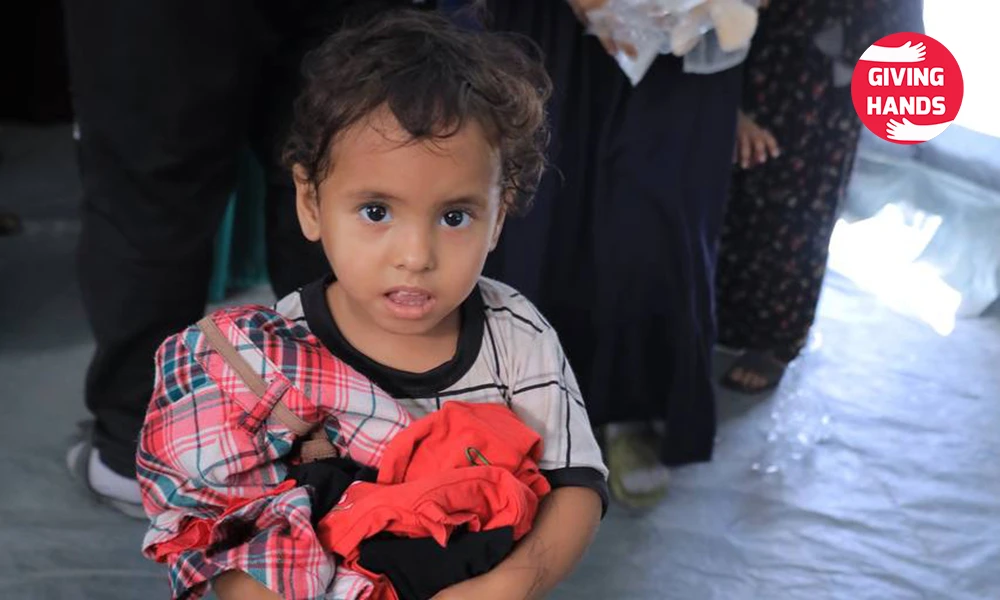
The most vulnerable orphaned children today share a common profile. They live in active conflict zones or post-conflict regions. They belong to communities already facing food insecurity and displacement. And they have no formal legal protection. Palestinian children in besieged areas, Rohingya children in displacement camps, Somali children in drought-affected regions, and Sudarian children in areas of ongoing instability face compounding risks that most Canadians will never see firsthand. According to UNICEF, children in humanitarian crises are three times more likely to miss school entirely. These aren’t abstract statistics. These are specific children in specific places with specific unmet needs.
The Age Gap Nobody Talks About
Children between ages 10 and 15 face the sharpest risks. They’re old enough to work but too young to protect themselves. Families under economic pressure sometimes pull children from school to earn income. Girls in this age group face early marriage pressure. Boys face recruitment into dangerous labour or armed groups. This window, roughly five years in a child’s life, often determines everything that comes after. Reaching children before they hit this gap is where sustained, early support makes the biggest difference.
How Small, Consistent Help Changes a Child’s Future
Big donations make headlines. Quiet, monthly support changes lives. A child who receives $30 per month for three years gains something far more valuable than goods. They gain the experience of being remembered. They know that someone, somewhere, decided they were worth consistent attention. That psychological shift matters. It changes how a child sees themselves and what they believe they can become. The communities we serve aren’t waiting for a miracle. They’re waiting for consistency. Real change here rarely comes suddenly. It builds, quietly, over years.
What Helping Orphans Actually Requires
Helping orphans isn’t a single act. It’s a sustained commitment. UNICEF estimates there are over 140 million children without one or both parents worldwide. Most of them don’t need rescue. They need continuity. They need school fees paid on time, meals that come regularly, and adults who show up year after year. Orphan care that works is quiet and long. It runs in the background of a child’s life until that child is strong enough to carry their own future. That’s the standard worth holding to.
Why Consistency Beats One-Time Help
A single act of generosity helps. But a child who receives steady support over years builds something no single gift can give: a sense of being valued. Research in child development consistently shows that predictable, ongoing relationships produce better outcomes in education, mental health, and economic stability. Children in sustained programs are far more likely to finish school. They’re more likely to avoid early labour or early marriage. Consistent support changes the trajectory. One-time help softens a hard moment.
What Sustained Orphan Support Like in Practice
Long-term orphan programs combine several things at once. They cover education costs, including uniforms, books, and exam fees. They provide nutrition support, often through the child’s caregiver. They include health checks and psychosocial support. They also involve the wider family. A child thrives when their grandmother or aunt isn’t drowning in debt. Wrap the child in a stable network. Then the child grows.
Behind every child who finishes school is a long line of people who didn’t stop. They kept going after the news cycle moved on. At Giving Hands, that steady, behind-the-scenes work is what we do. It isn’t dramatic. It doesn’t make headlines. But it shapes lives in ways that last far beyond a single act of giving. See how this work continues.